
Menopause and eye health
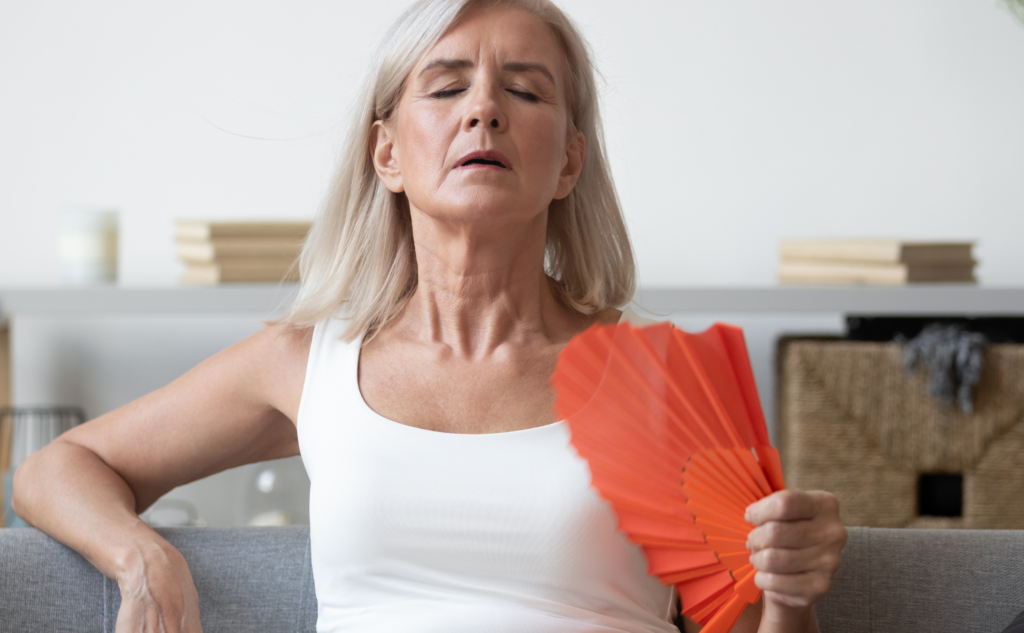
When people think about the menopause, symptoms like hot flushes and mood changes usually come to mind. However, many women are surprised to learn that it can also affect their eyes.
Research from National Eye Health Week found that only 14% of women were aware of the link between menopause and eye health, yet around 61% experience dry eye symptoms during this stage of life.
Why Does Menopause Affect the Eyes?
Hormones such as oestrogen don’t just affect the reproductive system; they influence many parts of the body, including the eyes. Changes in hormone levels during menopause can impact tear production and the delicate balance that keeps your eyes comfortable.
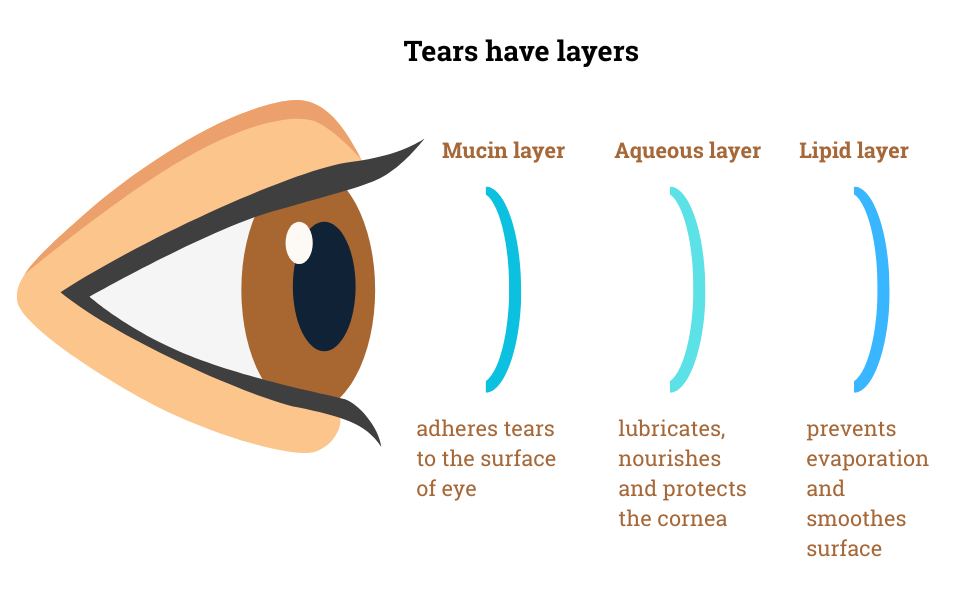
Menopause affects far more than many people realise. Hormones circulate throughout the body, including the glands in your eyes.
Dry Eyes
The most frequent eye-related issue during menopause is dry eye. This happens when your eyes don’t produce enough tears, or when the quality of your tears changes.
You might notice symptoms such as a gritty, burning or stinging sensation, red or irritated eyes, blurred or fluctuating vision, watery eyes (a common sign of dryness), and discomfort when wearing contact lenses.
These symptoms can be mild or more persistent and are often mistaken for simply getting older.
Don’t Ignore the Signs
Eye symptoms during menopause are often dismissed as a normal part of ageing, but they don’t have to be something you simply live with.
Opticians regularly see women in their 40s and 50s experiencing these issues. The key message is simple: help is available.
What Can You Do?
If your eyes feel different during menopause, there are simple steps that can make a real difference:
- Book regular eye tests
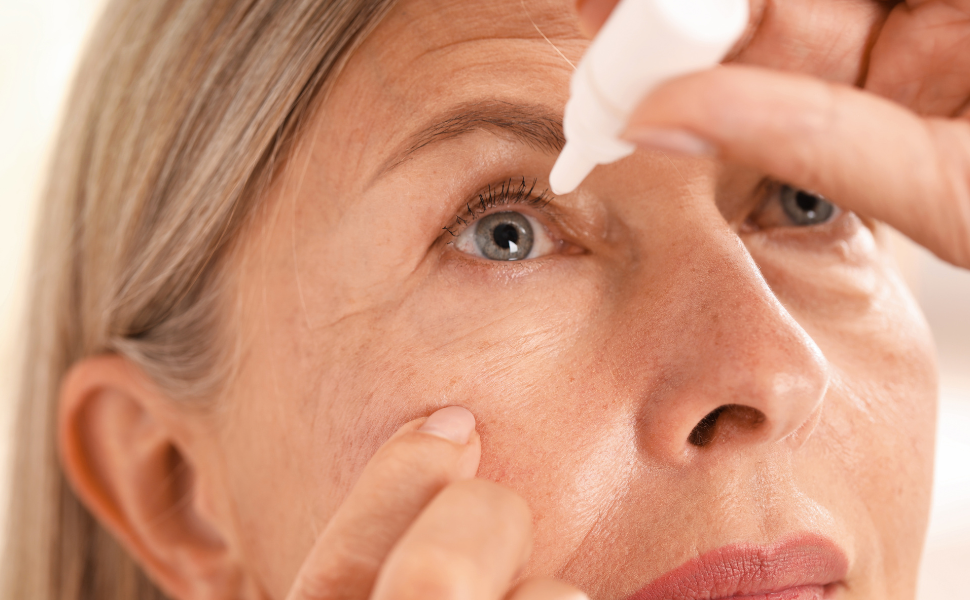
- Use lubricating eye drops (your Optometrist will recommend the best for your symptoms)
- Take breaks from screens
- Stay well hydrated
- Talk openly about your symptoms
Looking After Your Eye Health
Menopause is a natural stage of life, but changes in your eyes shouldn’t be ignored.
Understanding the link between hormones and eye health means you can act early, stay comfortable and protect your vision for the future. If something doesn’t feel right, it’s always worth getting it checked by your Optometrist.