
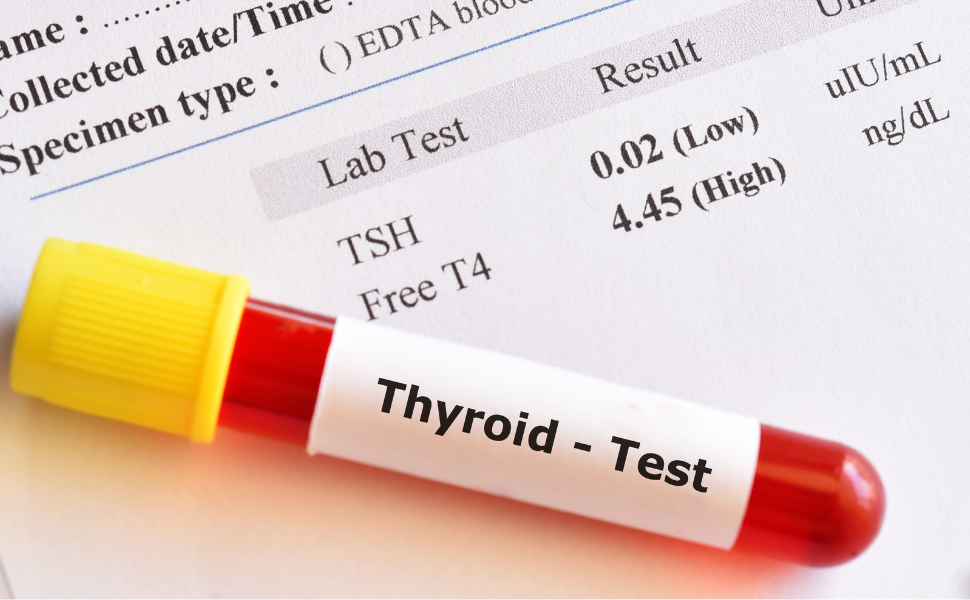
When most people think about thyroid problems, they think of symptoms such as tiredness, weight changes or changes in metabolism. What many don’t realise is that thyroid conditions can also affect the eyes.
Thyroid Eye Disease (TED), also known as Graves’ ophthalmopathy, is an autoimmune condition that causes inflammation of the muscles and soft tissues around the eyes. Although it is most commonly linked with Graves’ disease and an overactive thyroid, it can occasionally occur in people whose thyroid levels are normal or underactive.
Who can develop Thyroid Eye Disease?
TED can affect anyone, but it is more commonly seen in women between the ages of 30 and 50, people with Graves’ disease and those who smoke. Smoking is one of the biggest risk factors, increasing both the likelihood of developing the condition and its severity. Keeping your thyroid levels well controlled and stopping smoking can significantly improve outcomes.
What are the symptoms?
Symptoms often develop gradually and can vary from person to person. Many people initially notice that their eyes feel dry, gritty or watery, while others become more sensitive to bright light. The eyelids may appear swollen or sore, and some people experience discomfort behind the eyes.
As the condition progresses, the inflammation can push the eyes forwards, giving them a more prominent or bulging appearance, known as exophthalmos. Some people also develop blurred or double vision because the swollen eye muscles no longer move together properly.
Can it affect your sight?
In many cases, TED is mild and can be managed successfully. However, more severe cases can threaten vision if left untreated. Significant swelling can affect eye movement, prevent the eyelids from closing fully and, in rare cases, put pressure on the optic nerve.
For this reason, any sudden change in your vision, the development of double vision or a noticeable change in the appearance of your eyes should be assessed promptly.
How can an Optometrist help?
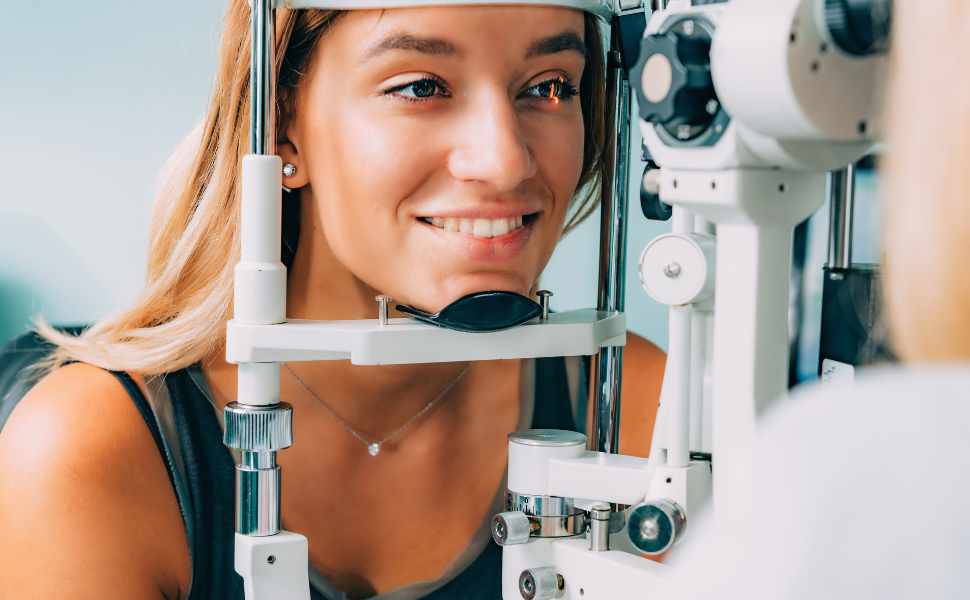
A routine eye examination is about much more than checking whether you need stronger glasses. Your optometrist can look for signs of inflammation, assess how well your eyes move together and examine the overall health of your eyes. If Thyroid Eye Disease is suspected, you can be referred for further assessment and treatment.
Eye examinations including advanced imaging, which are included with our examinations, can help build a clearer picture of your eye health and support early diagnosis.
Treatment
Treatment depends on how active the disease is and how severely the eyes are affected. Mild cases are often managed with lubricating eye drops to improve comfort, while more active disease may require medication to reduce inflammation. In some cases, surgery may be recommended once the condition has stabilised to improve eye position or relieve pressure.
Alongside medical treatment, stopping smoking and keeping thyroid hormone levels well controlled play an important role in recovery.
Don’t ignore changes to your eyes
If you have a thyroid condition and notice changes such as persistent dryness, sore or swollen eyelids, bulging eyes, double vision or blurred vision, it’s important not to dismiss them as simply tired eyes.
Early diagnosis and treatment can help relieve symptoms, reduce the risk of complications and protect your long-term vision.
At Melina Joy Opticians, we’re committed to looking after your eye health as well as your vision. If you’ve noticed any changes or it’s time for your routine eye examination, we’d be happy to help.